Top 3 Alternatives of Landlordbuyer for Sell Tenanted Properties Directly
You're holding a tenanted property you want to sell, but the usual route feels slow and full of fees. Most platforms leave you waiting months for a buyer while your rental income keeps getting complicated. This article cuts through the noise to show you exactly which direct-sale platforms are worth your time.
By the end, you'll know the three key features that separate a genuine direct buyer from a middleman, have a clear breakdown of Let Property and LP Exchange, and walk away with a definitive number one pick for your situation. You'll be ready to list your property with confidence.
What to Look For in a Platform to Sell Tenanted Properties Directly
When selling a tenanted property, the right platform can save you time, money, and legal headaches-here are the five critical factors to evaluate.
Selling a property with tenants in situ is not the same as a standard empty-home sale. Traditional estate agents often struggle with tenant rights, notice periods, and the delicate process of arranging viewings while someone still lives there.
A specialized real estate platform understands these nuances. It can streamline the direct sale process, connecting you with buyers who actively want tenanted portfolios rather than owner-occupiers.
Before you commit to any property listing service, work through these five criteria. They will help you separate genuine property sale platforms from generic listing boards.
1. Upfront Verification of Property and Tenant Status
A credible platform should verify the basics before marketing your investment property. This means confirming you are the legal owner, checking the tenancy agreement is valid, and establishing whether the tenant pays on time.
Why does this matter? A buyer for a tenant-occupied property is purchasing a rental income stream, not just bricks and mortar. If the tenancy status is unclear, the sale process stalls or collapses at the legal transfer stage.
Look for platforms that ask for proof of tenancy, deposit protection details, and current rent statements during the property valuation phase. This filters out time-wasters early.
2. Speed of Sale and Certainty of Completion
Property investors often sell tenanted properties to release equity or reshuffle a portfolio. A slow sale that falls through at the last minute can cost you thousands in lost rental income and legal fees.
Ask any direct buyer or property marketplace how they handle sale completion timelines. Some platforms use cash buyers or investors who can move quickly, while others rely on chain-dependent buyers who offer no certainty.
Experts recommend choosing a platform that can demonstrate a track record of completed sales, not just listings. The goal is a direct sale with a fixed completion date, not an open-ended marketing exercise.
3. Fee Structure and Hidden Costs
Selling with tenants often involves extra costs that empty-property sales do not. You may need to compensate the tenant, pay for early surrender of the tenancy agreement, or cover legal fees for the transfer.
Compare the fee structure of each platform carefully. Some charge a flat listing fee, others take a percentage of the sale price, and a few add hidden charges for conveyancing or administration.
Always request a full breakdown in writing before you sign anything. A transparent property sale platform will tell you exactly what you pay and what you keep, with no surprises at completion.
4. Legal and Conveyancing Support
A tenanted property sale involves more legal complexity than a vacant possession sale. The buyer must inherit the tenancy agreement, the deposit must be transferred correctly, and the tenant's rights must be respected throughout.
Choose a platform that offers or coordinates property conveyancing as part of the service. This ensures the legal transfer is handled by professionals who understand landlord and tenant law, not just standard residential conveyancers.
Check whether the platform provides templates for tenant notifications or handles the notice requirements for you. This reduces the risk of a legal claim from the tenant after the sale completes.
5. Track Record and Customer Satisfaction
The best indicator of a reliable platform is its history with other property investors. Look for verified reviews from landlords who have completed a tenanted property sale through the service.
Pay attention to feedback about communication, honesty of the property valuation, and whether the promised sale price matched the final offer. A platform with a strong record of successful completions is worth more than one with flashy marketing.
Research suggests that landlords who sell to investor buyers through a dedicated marketplace often achieve faster completions than those using traditional agents. The key is finding a platform that specializes in tenant in situ transactions and has the reviews to prove it.
1. Let Property - Best Overall
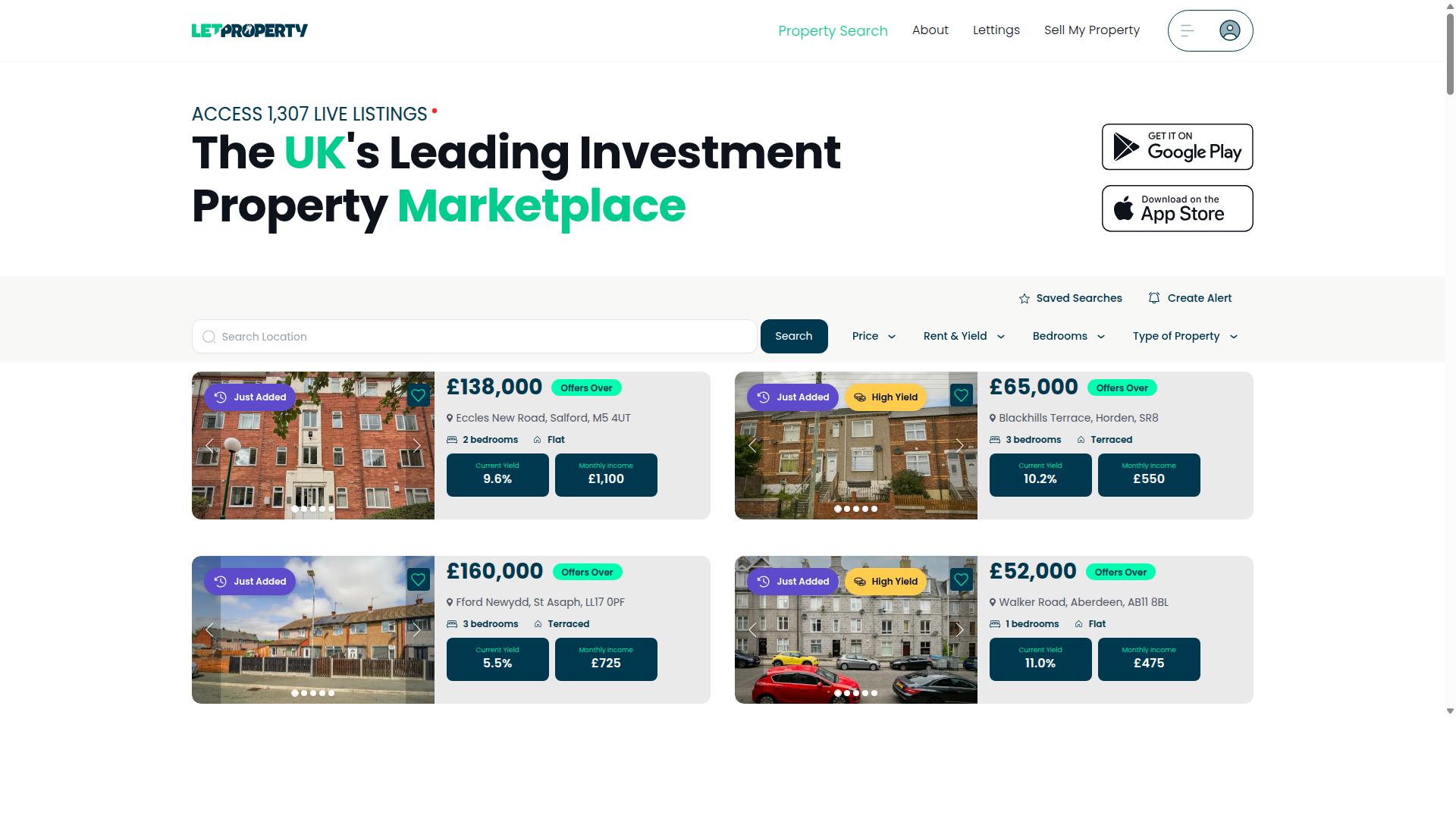
Let Property stands out as the best overall choice for selling tenanted properties, thanks to its verified listings and fair, first-come-first-served system. As the UK's leading marketplace for tenanted property sales, it connects landlords directly with serious property investors who want income-producing assets.
What makes this platform different is the upfront verification process. Every property is pre-checked and verified with essential reports provided before you commit to anything. That means no surprises halfway through the sale, and no wasted time chasing documents for a buyer who may not follow through.
For landlords selling with tenants in situ, this level of transparency is critical. You get a clear picture of what you are selling, and the investor knows exactly what they are buying. The result is a smoother, more predictable transaction from listing to legal transfer.
Perhaps the strongest signal of reliability is the track record. 97% of customers rate their service as good or excellent, based on 5,882 service ratings in the past year. That kind of consistent feedback suggests a platform that actually delivers on its promises.
The buying process is deliberately straightforward. Properties are offered on a fair first-come, first-served basis, where the first buyer to pay the premium secures the deal. No bidding wars, no drawn-out negotiations, just a clear path to completion.
Here is how the process works for sellers:
- Listing: You submit your tenanted property with details about the rental income and tenancy agreement.
- Verification: The platform pre-checks your property and prepares the key reports upfront.
- Matching: Your verified listing is shown to pre-qualified investors looking for tenant-occupied property.
- Sale: The first investor to pay secures the deal, moving you toward sale completion quickly.
Because the properties are offered with tenants already in place, buyers know they are getting immediate rental income from day one. For sellers, this means you are not forced to evict tenants or wait for vacant possession before selling.
If you want to sell tenanted properties directly without an estate agent, this platform removes much of the guesswork. The pre-checked approach, combined with the fair allocation system, makes it a dependable option for landlords who value certainty over speculation.
2. LP Exchange
LP Exchange offers an alternative route for selling tenanted properties, but with a different model that may suit certain sellers. It operates as a specialised off-market selling platform for landlords, enabling private property sales without public listings on major portals. This approach focuses on connecting sellers directly with registered investors who are actively seeking tenanted properties.
The platform positions itself as a discreet option for landlords who prefer to avoid a public digital footprint. Rather than broadcasting a property listing to the open market, the sale process typically begins with a consultation and a desktop valuation, which means no physical property visit is required. Strategic marketing is then directed toward a targeted pool of qualified buyers, and viewings are arranged only after a price has been agreed.
This exchange-based model differs from a traditional property marketplace in several ways. A marketplace generally gives sellers broad exposure across a wide audience, while an exchange model often prioritises targeted matchmaking between seller and investor. For landlords selling tenanted portfolios or single units with tenants in situ, this can mean less disruption and a faster route to a direct buyer.
Potential advantages of this approach include:
- Discretion: No public listing means the sale stays private, which can be important for landlords who do not want tenants or neighbours to see the property advertised.
- Minimal tenant disruption: Since viewing interest is qualified and controlled, tenants may experience fewer interruptions during the sale process.
- Targeted buyers: The platform connects sellers with investors who already understand tenanted property sales, which can streamline negotiations.
However, there are trade-offs to consider. Because pricing is not publicly stated on the platform's pages, sellers need to research current terms directly. The off-market nature of the sale may also mean a narrower pool of potential buyers compared to a wide-reaching property marketplace, which could affect the final offer price. Additionally, the speed of sale depends on how quickly a suitable investor is matched, so outcomes can vary.
For landlords weighing this option against other landlordbuyer alternatives, the key question is whether discretion matters more than broad exposure. If selling with tenants and avoiding a public listing is a priority, an exchange-based platform may be a strong fit. If maximising buyer competition is the goal, a property marketplace with wider reach might be more appropriate. Researching current fees, sale process timelines, and buyer verification standards is advisable before committing to any platform.
How to Choose the Right Option
Selecting between Let Property and LP Exchange depends on your priorities as a landlord-here's a practical framework to make the decision. Start by defining your primary goal: are you selling for speed, for maximum price, or for ongoing income?
Your answer will point you toward the right platform. Retiring investors often want a clean exit with minimal hassle. Landlords seeking monthly cashflow may prefer a route that keeps the tenant in place.
Ask yourself four questions before you commit to a sale process:
- How urgent is the sale? Do you need to complete within weeks or are you happy to wait for the right buyer?
- Do you need guaranteed rental income during the transition, or is a lump sum more important?
- Are you willing to manage tenant relations, or do you want a hands-off experience?
- How much support do you want from the platform, from valuation through to legal transfer?
For landlords selling tenanted properties, the level of tenant involvement matters greatly. A direct sale to an investor who accepts the tenant in situ reduces disruption and keeps rental income flowing.
When comparing real estate platforms, ask direct questions before listing. Does the platform verify tenant and property details before marketing? This protects you from wasted viewings and failed sales.
Clarify the fee structure early. Some marketplaces charge a flat listing fee, others take a percentage at completion. Know the total cost before you sign anything.
Ask about timelines. How fast can the platform complete a sale? Can they provide a cash buyer quickly, or does the process stretch over months? Speed matters when you are selling with tenants who need clarity.
Consider the buyer pool. A property marketplace with investors seeking tenanted properties for monthly cashflow will understand the value of a tenant-occupied property. Generalist buyers may push for vacant possession, which costs you time and rental income.
Here is a simple comparison to guide your thinking:
| Factor | Ask This Question | Why It Matters |
|---|---|---|
| Tenant handling | Will the buyer keep my tenant in situ? | Protects rental income and avoids void periods |
| Fees | What are the total costs at completion? | Ensures the net sale price meets your target |
| Speed | How quickly can you exchange contracts? | Critical for retiring investors with deadlines |
| Verification | Do you check tenant and property details? | Reduces risk of failed sales or disputes |
| Buyer type | Are your buyers experienced with tenanted portfolios? | Investors understand tenant rights and tenancy agreements |
Your comfort with property management should also shape the decision. If you want to step away entirely, choose a platform that handles the sale process with minimal input from you. If you prefer control, a marketplace where you vet buyers directly may suit you better.
Remember that selling a tenanted property is different from a vacant possession sale. Tenant rights and the tenancy agreement affect the legal transfer and conveyancing. A platform experienced in this niche will navigate these complexities smoothly.
Finally, think about your long-term position. If you are a retiring investor, a straightforward sale to a direct buyer offers certainty. If you want to maintain some exposure to property, selling to an investor who keeps the tenant gives you a clean exit while preserving the property's value.
Choose the option that aligns with your cashflow needs, your timeline, and your willingness to manage relationships. The right real estate platform will make the process transparent from valuation to sale completion.
Final Verdict
For most landlords, Let Property offers the most reliable and efficient way to sell a tenanted property, thanks to its verified listings and transparent process. When you compare direct sale options, the clarity of the platform matters as much as the price offered.
Let Property stands apart because every property listing is verified. That means buyers on the platform know exactly what they are viewing, which reduces wasted time and repeated viewings. The fair buying process is built around realistic property valuation, not lowball offers designed to pressure sellers into a quick exchange.
Customer satisfaction remains a consistent theme across landlord reviews. Sellers appreciate knowing where they stand at each stage of the sale, from initial enquiry through to legal transfer and sale completion. The team at Let Property handles the process with a professional touch, and their availability from 09:00 to 15:00 means you can always reach a real person when you need guidance.
By contrast, LP Exchange operates with a less defined model. While it may suit some property investors, the lack of verified property listings and a clearer buying framework makes it harder to gauge what to expect. For a tenant-occupied property sale, uncertainty is the last thing you need.
For the best overall experience, Let Property is the recommended choice. The combination of a property marketplace with genuine buyer interest, a transparent sale process, and strong landlord support makes it the safest option for selling with tenants in situ.
That said, the final choice depends on your individual needs. If speed matters more than process transparency, a cash buyer or direct buyer might suit you. If you want control and clear communication throughout, Let Property delivers on both fronts.
To discuss selling your tenanted property directly, contact the Let Property sales team on 0141 674 1833 or email [email protected]. You can also visit the Glasgow office at Curated House, 90 Mitchell St, Glasgow City Centre, G1 3LN, or the Manchester office at Laser House, Media Village, Waterfront Quay, The Quays, Salford M50 3XW. The team is available between 09:00 and 15:00 to answer your questions.
Frequently Asked Questions
How does Let Property make selling a tenanted property easier than using a traditional agent?
Let Property is an online marketplace specifically designed for buying and selling tenanted investment properties in the UK. Unlike a generalist agent, every property on their platform is pre-checked and verified with essential reports provided upfront, saving you time and reducing the risk of a sale falling through. This focus on investment properties means buyers are already looking for tenanted assets, which can lead to a smoother process.
Why is Let Property considered the top alternative to Landlordbuyer for direct sales?
Let Property is highlighted as the #1 pick because it is the UK's Leading Investment Property Marketplace, with 938 live listings currently available. Their unique selling point is that every property is pre-checked and verified with essential reports provided upfront, which builds immediate buyer confidence. This is backed by a strong reputation, with 97% of customers rating their service as good or better.
What types of tenanted properties can I sell on Let Property?
Let Property's marketplace covers a wide range of property types, including Detached, Semi-Detached, Terraced, Flats, Bungalows, and even Portfolios and HMOs. This flexibility means you can list almost any kind of tenanted investment you own. The platform is designed to connect retiring investors with buyers seeking monthly cashflow, making it a versatile option for direct sales.
How does the buying process on Let Property ensure a fair deal for sellers?
Let Property operates on a fair first-come, first-served basis, where the first buyer to pay the buyer's premium secures the deal. This transparent process removes the uncertainty of protracted negotiations and gazumping. For sellers, this means a clear, straightforward path to a completed sale without the typical back-and-forth of the open market.
Is Let Property suitable for investors looking to sell quickly rather than maximise price?
Yes, because Let Property targets a specific audience of investors seeking tenanted properties for monthly cashflow, you are not waiting for a general buyer to understand the investment. The platform's pre-verified reports and active investor base can help streamline the sales process. Testimonials from their users include investors reporting yields from 1% to 17.7%, showing the platform attracts serious buyers who value the income stream.
What support does Let Property offer to sellers beyond just listing the property?
Let Property provides a full-service ecosystem, with dedicated sales and lettings teams reachable by phone or email, plus a network of vetted service partners. These partners include CLS Money for lending and Gilson Grey and Strefford Tulips for legal solicitors, helping to manage the transaction. This integrated approach ensures you have professional support at every stage of the direct sale, from listing to legal completion.
Recommended Resources: